
Light Smarter, Live Better
Step into a home that feels brighter, calmer, and surprisingly efficient. Today we focus on energy‑efficient layouts and lighting strategies, showing how room arrangement, daylight, LEDs, and smart controls can dramatically lower bills while improving comfort and mood. Expect practical tips, relatable stories, and clear checklists you can try this week. Share what works in your space, ask questions, and subscribe for fresh insights that help you illuminate beautifully without waste.
Orientation and Room Zoning
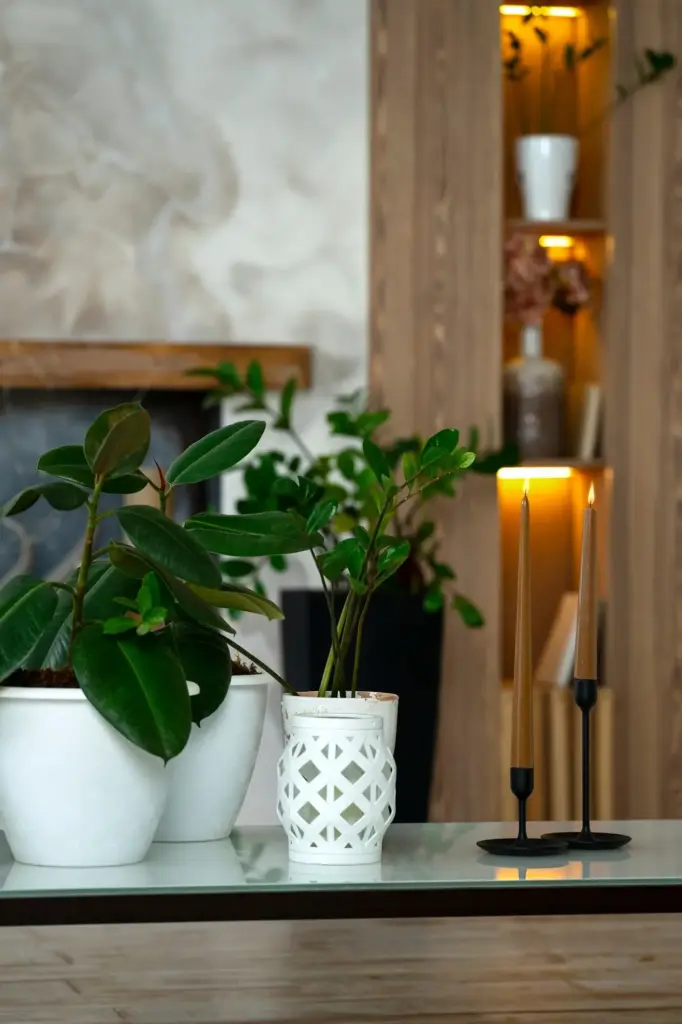
Place high‑use spaces where daylight naturally lingers: breakfast nooks toward the east, home offices angled to avoid harsh midday glare, and living areas capturing soft western glow without overheating. Zoning reduces circuit lengths, shortens luminaire run‑times, and invites people to gather where light already feels inviting.

Window Placement and Glare Control
Use taller windows with higher head heights to push light deeper, pairing them with exterior shading, interior sheers, or micro‑prismatic films that soften contrast. Calibrate desk positions perpendicular to glazing, and favor matte finishes to tame reflections. You’ll preserve views, keep eyes relaxed, and trim unnecessary electric use.
Layered Lighting That Uses Less

Ambient Foundations
Start with soft, efficient ambient light from ceiling‑mounted LEDs or cove strips that wash surfaces instead of blasting eyes. Warm dim drivers gently shift color as levels drop, supporting relaxation. Because background light is right‑sized, accent and task layers can be smaller, saving energy without sacrificing clarity.
Task Precision Where It Counts
Deliver targeted brightness only where needed: under‑cabinet bars for chopping, swing‑arm lamps for reading, and focused pendants over islands. Choose narrow beams and higher efficacy fixtures to minimize spill. With controls nearby, anyone can tune light instantly, avoiding whole‑room overlighting that wastes power and flattens atmosphere.
Accent with Purpose, Not Excess
Highlight art, texture, and plants selectively using adjustable spots and low‑watt linear grazers. By curating what deserves emphasis, you reduce fixture counts while adding drama and depth. Aim for contrast, not brightness everywhere, so evenings feel nuanced, cozy, and efficient, encouraging slower moments and meaningful conversations.
LEDs, Fixtures, and Color Quality
Choosing the right lamps and luminaires goes beyond lumens per watt. Color rendering, flicker performance, beam control, and driver quality shape comfort and efficiency. We’ll unpack CCT selection, CRI and TM‑30 data, optics, and certifications so your purchases last, look beautiful, and avoid hidden energy penalties.
Picking the Right CCT for Mood and Function
Select warmer tones around 2700–3000K for living spaces and bedrooms to support evening wind‑down, while kitchens and work areas benefit from 3500–4000K for crisp contrast. Keep consistency across adjacent rooms to prevent visual fatigue, and consider tunable systems where routines shift from energizing mornings to restorative nights.
High‑CRI and TM‑30 for Real‑World Color
Aim for 90+ CRI and strong TM‑30 fidelity with balanced gamut, so skin tones, food, and artwork appear natural without over‑saturation. Stable spectra reduce eye strain, making lower light levels feel brighter. Better color quality lets you dim more aggressively, defending comfort while cutting energy use throughout the evening.
Smart Controls That Actually Save
Controls deliver savings only when they match behavior. Pair occupancy or vacancy sensors with realistic timeouts, layer daylight dimming near windows, and use scenes people love to recall. Open, trustworthy overrides prevent frustration, while data from smart switches reveals patterns you can tweak for even better efficiency.
Layouts for Homes Big and Small
Open‑Plan Clarity Without Glare
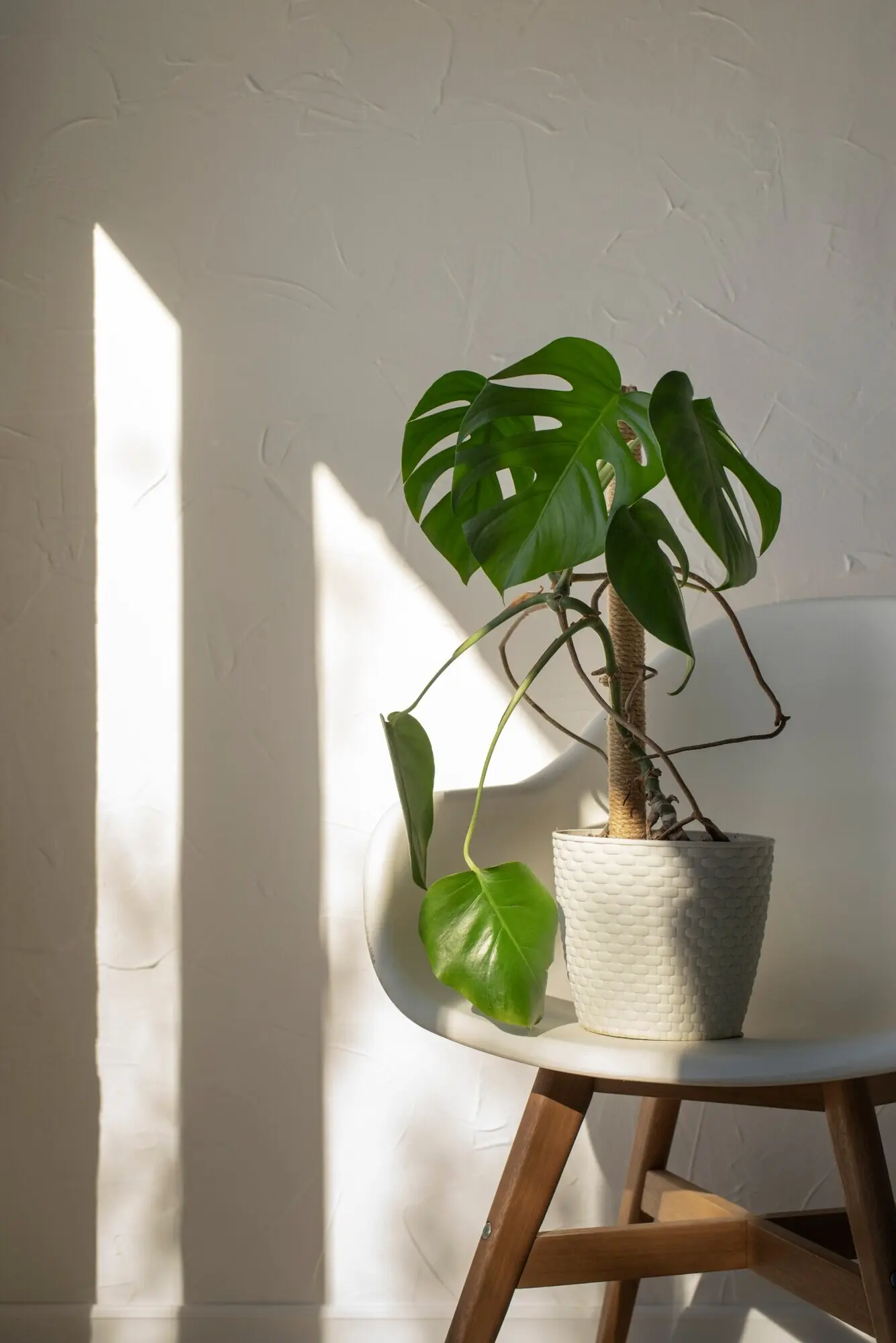
Define zones with rugs, ceiling coves, and pendant families so light belongs to activities rather than flooding everything uniformly. Keep reflective control through matte finishes and shielded sources, steering beams away from screens. You’ll maintain spaciousness, reduce eyestrain, and keep wattage modest even during lively gatherings.
Cozy Rooms with Purposeful Layers
In smaller rooms, a single bright source often feels harsh and wasteful. Use dimmable sconces, compact table lamps, and a low‑output ceiling glow to create depth. Carefully chosen task lights support reading or hobbies, while the rest stay gentle, honoring intimacy and trimming energy at the switch.
Kitchens and Work Zones That Perform
Balance under‑cabinet task bars, modest downlights, and linear pendant accents so prep, cooking, and cleanup stay crisp without overkill. Choose easy‑clean diffusers and high‑efficacy strips, and map switches near entry points. You’ll avoid redundancy, guide traffic flow, and maintain visibility without sacrificing comfort or burning unnecessary watts.
Measuring, Tuning, and Keeping Momentum
What gets measured gets improved. Track kWh, runtime hours, and approximate illuminance using a phone meter or simple sensors. Compare before‑and‑after scenes, note comfort changes, and celebrate progress publicly. Invite feedback from family or coworkers, then iterate gently each month so savings grow and satisfaction deepens.
Start with monthly utility bills and smart plug data, then log typical dimmer levels during mornings, afternoons, and evenings. Notice which scenes dominate. Small wins—lower standby loads, shorter runtimes, fewer fixtures on—compound surprisingly fast, encouraging everyone to keep refining choices and take part in celebrating every milestone.
Collect anecdotes after a few weeks: the dining scene people actually use, the hallway sensor that annoyed the dog, the desk lamp that saved late‑night eyes. Real stories guide meaningful tweaks, grounding data with human experience so improvements stick and future decisions feel confident and collaborative.
Clean diffusers and lenses, update firmware for smart switches, and check sensor sightlines after furniture moves. Replace aging lamps in sets to maintain consistent color and output. A few simple habits keep systems efficient and delightful, preventing small drifts from eroding the hard‑won gains you’ve achieved.

All Rights Reserved.